
Yoruba Pronunciations
Yoruba Learning Activities for Kids
Correct pronunciation is an important part of learning Yoruba. These videos from Adesola Series teach the Yoruba alphabet and vowel sounds to help children and beginners pronounce Yoruba words clearly and confidently.
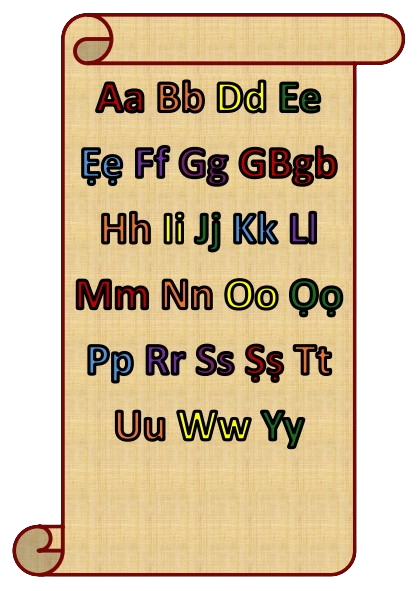
Álífábeeti Yorùbá Yoruba Alphabet
The Yoruba alphabet contains 25 letters and includes special sounds that may be new for English speakers. This video walks through each letter and demonstrates how to pronounce them correctly.
Àmì Ohùn (Yoruba Tonal Marks) – Part 1
Àmì Ohùn (Yoruba Tonal Marks) – Part 2
Yoruba is a tonal language, meaning that the way a word is pronounced can change its meaning. Learning the alphabet and vowel sounds is the first step toward speaking Yoruba confidently.

How to Practice Yoruba Pronunciation
1. Listen to Each Sound Carefully.
Encourage learners to repeat each letter and vowel sound slowly.
2. Practice With Common Yoruba Words.
- English
- Dog
- Fish
- Turtle
- Cat
- Monkey
- Sweep
- Spoon
- Yoruba
- Ajá
- Ẹja
- Ìjàpá
- Ológbò
- Ọ̀bọ
- Gbálẹ̀
- Labalábá
- Ṣíbí
3. Repeat the Sounds Daily.
25 Common Yoruba Words with English Translations
Yoruba Animals
- English
- Dog
- Chicken
- Bird
- Camel
- Yoruba
- Ajá
- Ewúrẹ́
- Adìẹ
- Ẹyẹ
- Ràkúnmí
Yoruba Nature Words
- English
- Sun
- Rain
- Tree
- River
- Moon
- Yoruba
- Òrùn
- Òjò
- Igi
- Odò
- Òṣùpá
Yoruba Food Words
- English
- Rice
- Beans
- Yam
- Coconut
- Onion
- Yoruba
- Ìrẹsì
- Ẹ̀wà
- Iṣu
- Àgbọn
- Àlùbọ́sà
Yoruba Family Words
- English
- Mother
- Father
- Child
- Younger sibling
- Older sibling
- Yoruba
- Ìyá
- Bàbá
- Ọmọ
- Àbúrò
- Ẹ̀gbọ́n
Yoruba Household Items
- English
- Hat/Cap
- Spoon
- Mirror
- Clothes
- Gift
- Yoruba
- Fìlà
- Ṣíbí
- Jígí
- Aṣọ
- Ọrẹ
25 Common Yoruba Words with English Translations
Yoruba Animals
- English
- Dog
- Goat
- Chicken
- Bird
- Camel
- Yoruba
- Ajá
- Ewúrẹ́
- Adìẹ
- Ẹyẹ
- Ràkúnmí
Yoruba Nature Words
- English
- Sun
- Rain
- Tree
- River
- Moon
- Yoruba
- Òrùn
- Òjò
- Igi
- Odò
- Òṣùpá
Yoruba Food Words
- English
- Rice
- Beans
- Yam
- Coconut
- Onion
- Yoruba
- Ìrẹsì
- Ẹ̀wà
- Iṣu
- Àgbọn
- Àlùbọ́sà
Yoruba Family Words
- English
- Mother
- Father
- Child
- Younger sibling
- Older sibling
- Yoruba
- Ìyá
- Bàbá
- Ọmọ
- Àbúrò
- Ẹ̀gbọ́n
Yoruba Household Items
- English
- Hat/Cap
- Spoon
- Mirror
- Clothes
- Gift
- Yoruba
- Fìlà
- Ṣíbí
- Jígí
- Aṣọ
- Ọrẹ
Yoruba Language FAQ
Yes. Yoruba uses tone marks (Àmì Ohùn) that change the meaning of words depending on how they are pronounced.
The Yoruba alphabet contains 25 letters, including special sounds like gb, ṣ, and ẹ.
Fun fact: there are no words that begin with the letter ‘u’ in the Yoruba language.
The African talking drum is a powerful symbol in Yoruba culture. Traditionally, the talking drum was used to communicate messages across villages, celebrate important events, and preserve stories through rhythm and sound. Because Yoruba is a tonal language, the drum can even mimic the rise and fall of spoken words.
At Adesola Series, the talking drum represents the beauty of Yoruba language, storytelling, and cultural connection. Just as the drum carried messages from one community to another, our books and learning tools help carry Yoruba language and culture to the next generation of children.
Learning Yoruba helps children connect with language, culture, and heritage. For many families, it is a way to preserve traditions and pass knowledge from one generation to the next. Bilingual learning can also strengthen cognitive skills, build confidence, and help children appreciate different cultures and ways of communicating.
The books and learning tools from Adesola Series use both Yoruba and English to make learning accessible and enjoyable for children. By seeing the two languages side by side, children can build vocabulary, understand meanings, and gradually become more comfortable using Yoruba in everyday life.
“Ìrìn Àjò Adesola” means “Adesola’s Journey” in Yoruba. The phrase reflects the idea of discovery, learning, and adventure.
In the Adesola Series, this journey represents a child’s exploration of the Yoruba language and culture through stories, activities, and everyday experiences. As children follow Adesola’s adventures, they encounter new Yoruba words, traditions, and ideas that help them build language skills while connecting with culture.
Children learn languages best through regular exposure and playful practice. Parents can support Yoruba learning at home by introducing simple words during everyday activities, reading bilingual books together, listening to our pronunciation videos, and encouraging children to repeat new words in conversation.
Activities such as storytelling, songs, games, and vocabulary practice can make learning feel natural and enjoyable. Resources like the books, activities, and pronunciation tools from Adesola Series are designed to help families build Yoruba language skills while celebrating culture together.
Like any language, Yoruba becomes easier with practice and regular exposure. Many learners find that starting with simple vocabulary, pronunciation practice, and everyday phrases helps build confidence. Children often learn quickly when language is introduced through stories, games, and interactive activities.
Children can begin learning Yoruba at any age. Early exposure through books, conversation, songs, and play helps children become familiar with the sounds and rhythm of the language. Learning in a fun and supportive environment makes it easier for children to build vocabulary and develop confidence in speaking.